East of Kailash: How a 1960s DDA Colony Became South Delhi’s Family Address
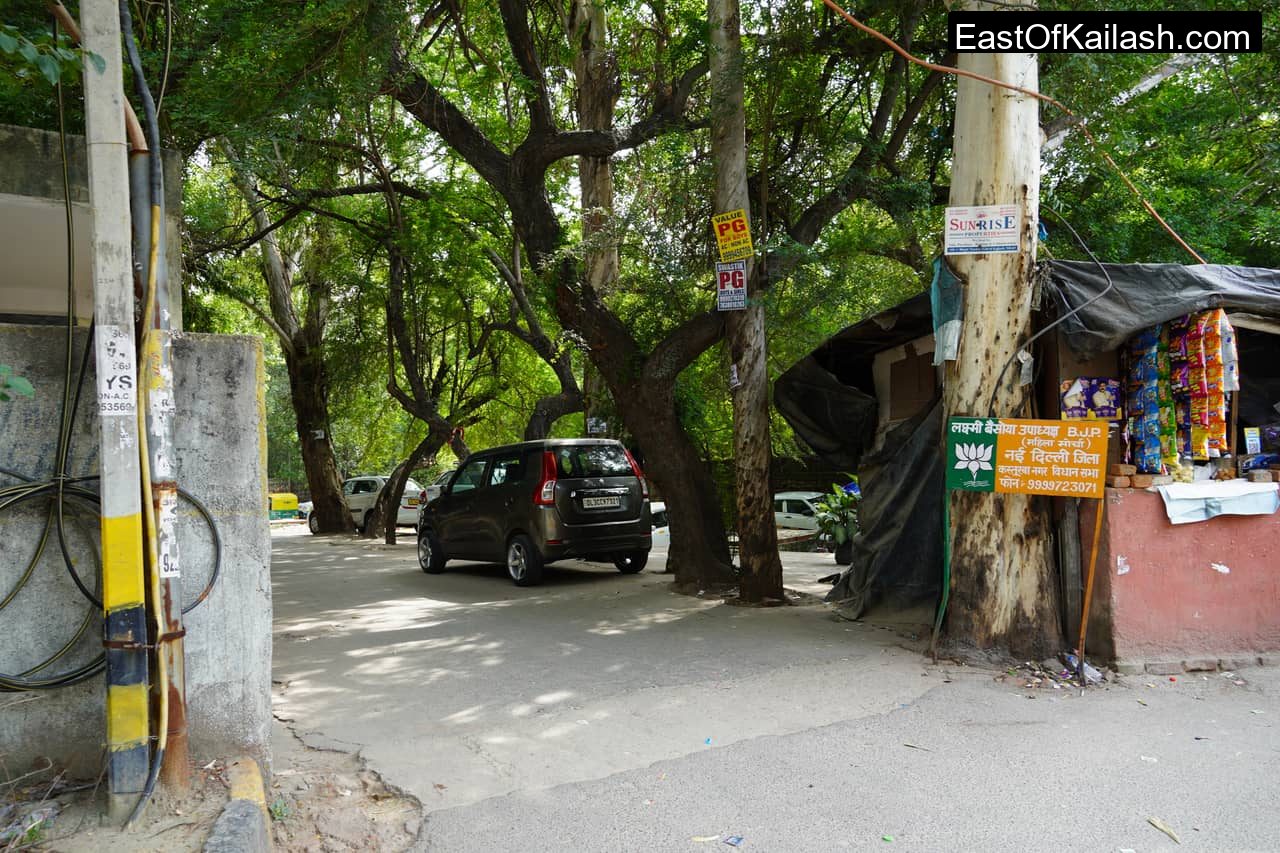
Planned by the DDA across the 1960s and 1970s on Delhi’s southern edge, East of Kailash grew from plotted blocks into the colony families refuse to leave.
Before independence, the ground East of Kailash stands on was open southern outskirts — fields and scrub beyond the imperial city. Partition in 1947 pushed nearly half a million refugees into Delhi and forced the city southward; the Delhi Development Authority, created in 1957, then formalised that expansion into planned colonies through the 1960s and 1970s. East of Kailash is a textbook product of that era: lettered residential blocks (A through G) laid around parks, a DDA flats pocket from the same years, and commercial needs concentrated in community centres rather than scattered across lanes.
The DDA template — and why it aged well
The colony’s plan shows the DDA’s 1960s instincts at their best: low-rise plotted housing at human scale, green pockets at regular intervals, schools and healthcare embedded inside the colony, and shopping quarantined into two Community Centres. That separation is the reason East of Kailash never developed the chaotic mixed-use lanes that strain other South Delhi colonies — and why, sixty years on, its residential lanes still feel residential. When the Violet Line reached Govindpuri in 2010 and the Outer Ring Road matured into a crosstown artery, the colony gained metro-grade connectivity without surrendering its layout.
From allotments to builder floors
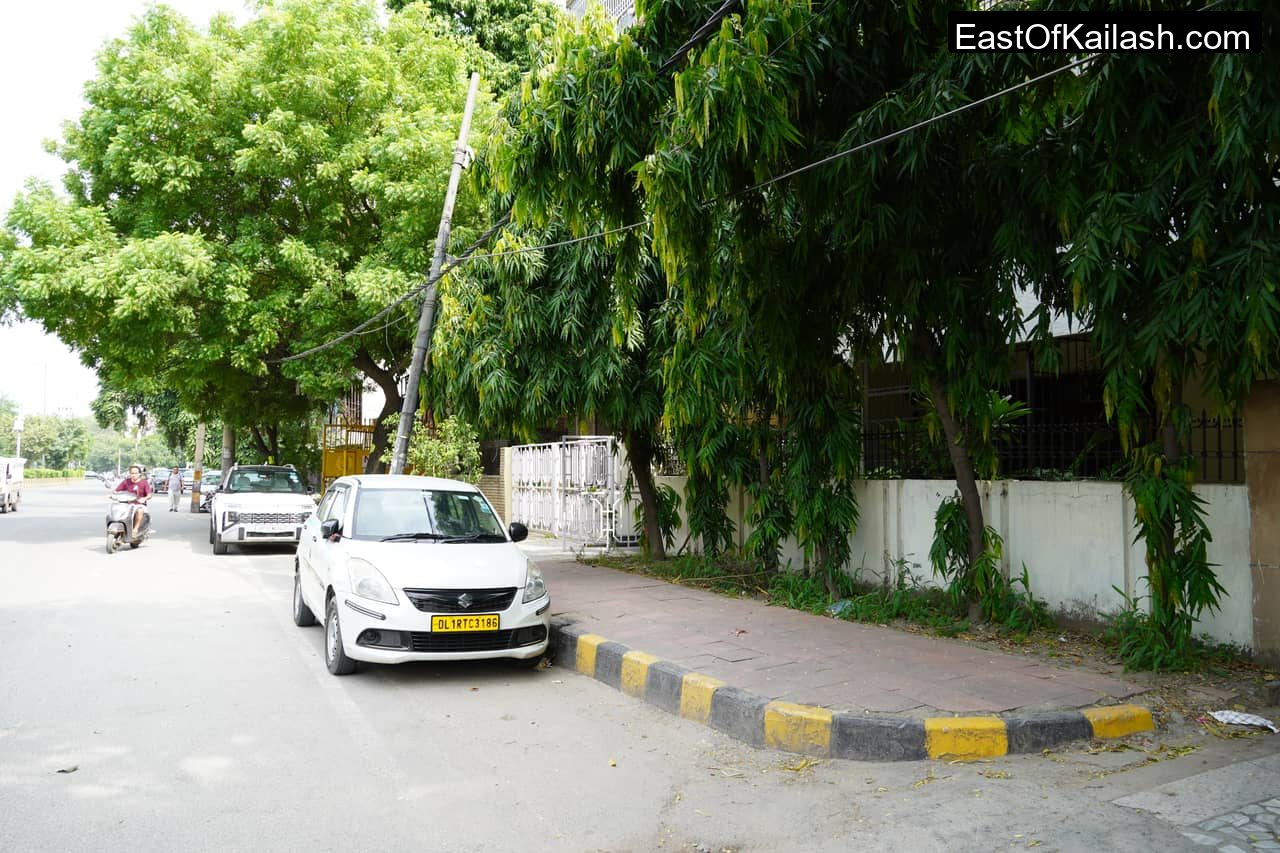
Like much of South Delhi, the colony’s housing stock evolved in waves: original DDA allotments and plotted houses first, then the great builder-floor transformation from the 1980s onward, as single-family homes became stilt-plus-four buildings with separately saleable floors. Today’s market is therefore layered — original houses awaiting redevelopment next to brand-new builder floors, DDA flats trading as the value entry, and commercial stock concentrated in the Community Centre belt. Each layer has different paperwork, different construction quality and different price logic, which is why “East of Kailash rates” as a single number is meaningless without a block and a building type attached.
The neighbourhood effect
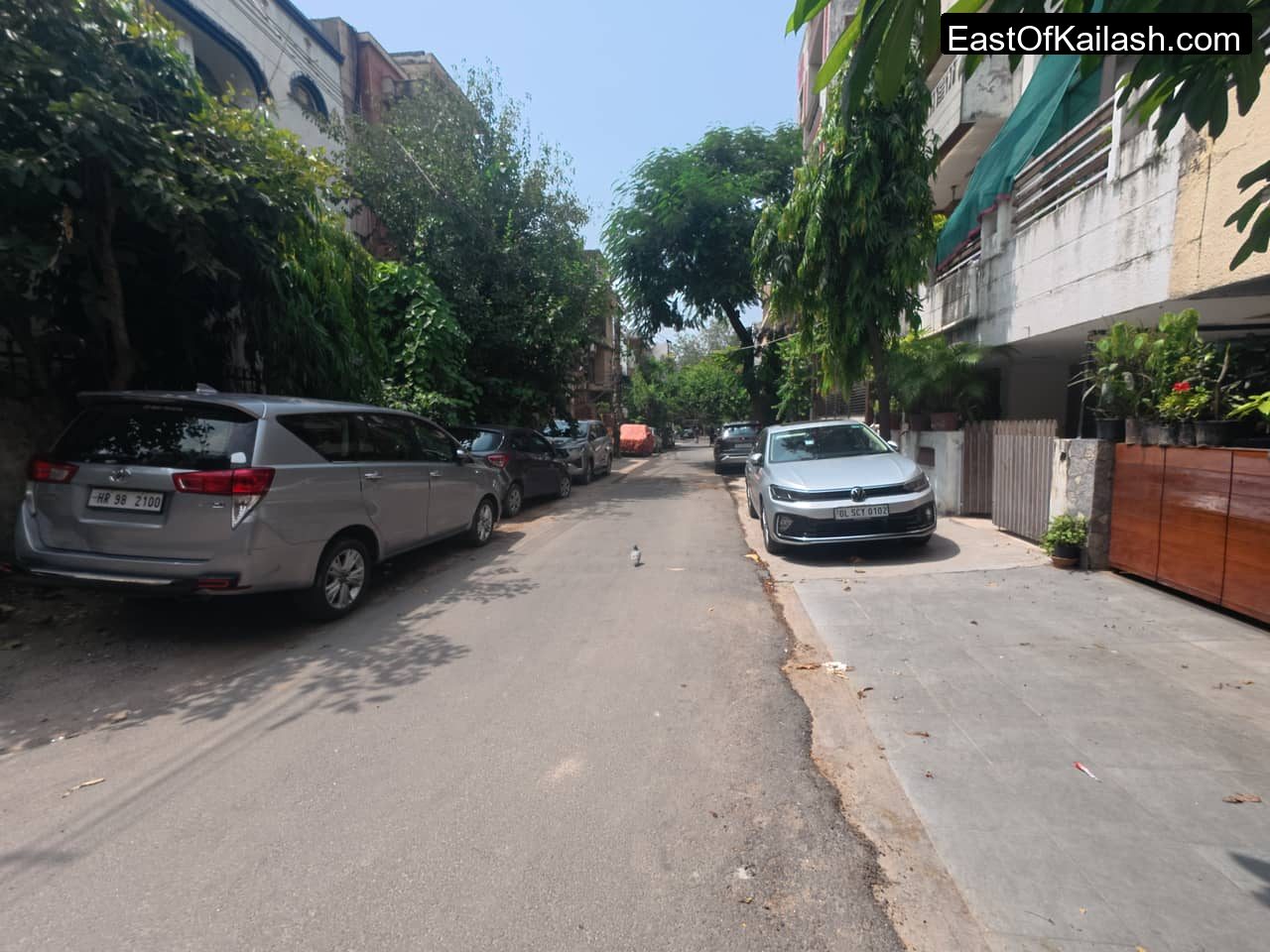
- Kailash Colony and Greater Kailash next door keep the entire belt’s social infrastructure — schools, hospitals, clubs — within minutes
- Nehru Place, a 1970s district centre, turned the colony into a walk-to-work or short-commute address for generations of professionals
- The Lotus Temple and ISKCON Temple nearby anchor the area’s identity far beyond property circles
- Two Community Centres inside one colony give it commercial self-sufficiency most South Delhi colonies lack
“Planned colonies don’t just house people — they protect the way people live. That protection is what six decades of East of Kailash buyers have actually been paying for.”
Buying into the history
Practically, the history lesson converts into three checks: confirm the DDA-era title chain from the original allotment; treat construction era as a pricing variable, not a footnote; and remember the whole colony sits in circle-rate Category C (land Rs 1,60,000 per sq m), so stamp-duty math is uniform even when market prices are not. Get those three right and you are not just buying square feet — you are buying into the most stable residential franchise in South Delhi.
Buying or selling in East of Kailash?
Get hyperlocal advice on pricing, paperwork and negotiation — free, no obligation.
Talk to an Expert